East Liberty top Goose Harassment Control for Safer Outdoor Spaces
East Liberty top Goose Harassment Control for Safer Outdoor Spaces
Blog Article
Professional Wildlife Management: Protect Your Property and Possessions
Quality animal removal is necessary for residents dealing with significant threats from pest invasions. These invasions can lead to considerable structural damage and medical risks. Recognizing the critical importance of tackling animal concerns is vital. Comprehending the indicators and realizing when to seek expert assistance can make all the difference. But what are the most common wildlife invaders, and how can one effectively shield against them? The answers may surprise you.
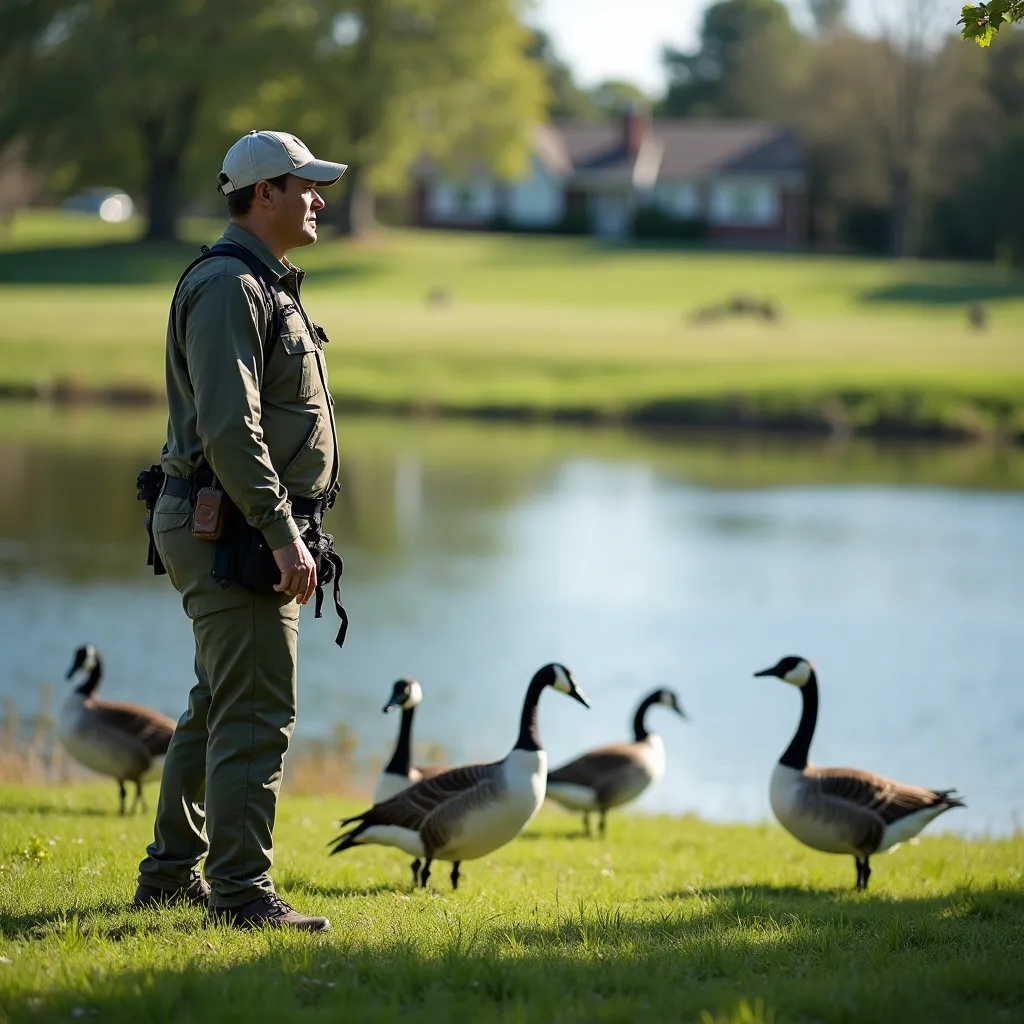
The Necessity of Acting Quickly to Animal Encroachments
Wildlife incursions can escalate quickly, leading to significant damage and health risks. When animals invade residential areas, they can compromise structural integrity, chew through wiring, and taint food sources. Furthermore, the presence of wildlife can spread diseases, posing serious health threats to both humans and pets. Prompt action is vital to mitigate these risks and stop further complications.
Disregarding the issue may lead to costly maintenance and extensive clean-up efforts. Furthermore, certain species can reproduce rapidly, increasing the population and worsening the problem. Prompt action not only protects property but also guarantees a safer living East Liberty top Goose Harassment Control environment.
Engaging expert wildlife control can deliver efficient strategies adapted for distinct wildlife issues. Quick response is necessary to regain tranquility and secure dwellings from the unpredictable nature of wildlife intrusions. Ultimately, swift response measures can significantly decrease the risk of permanent harm and safety risks related to these invasions.
Indicators That You Own a Wildlife Problem
How can someone figure out if a animal problem is nearby in the surrounding area? Various clues can suggest the presence of unwanted creatures. Property owners may hear peculiar sounds, including scratching or scurrying noises, notably at night. Moreover, droppings or tracks may appear around the home, revealing the type of animals at play. Damage to insulation, electrical lines, or woodwork can likewise suggest an invasion, as several animals hunt for shelter in upper spaces or crawl spaces.
A further indicator includes gnawed food wrapping or displaced garbage, indicating foraging behavior. Moreover, openings or burrows situated near the base may suggest access points for critters. Unexplained smell, frequently associated with nesting or refuse, can be a critical red flag. Recognizing these indicators in advance is essential for sound control and protection, helping ensure that property owners can take action appropriately before the situation worsens.
Top Advantages of Professional Wildlife Elimination Services
Engaging professional wildlife removal services presents considerable advantages for homeowners encountering unwanted animal intrusions. Primarily, experts possess technical expertise and practical background, ensuring effective and humane removal of wildlife without causing harm to the animals or the property. These professionals apply advanced techniques and tools, which can resolve complex situations that homeowners might not be able to handle.
Moreover, professional services often provide comprehensive evaluations to detect potential entry points, assisting in avoiding future infestations. This proactive approach not only reduces immediate concerns but also protects the home in the long run. Furthermore, many wildlife removal companies provide warranties or guarantees, providing homeowners peace of mind.
Lastly, relying on professionals reduces the risk of injury from wild animal interactions, providing a safer space for loved ones and companions. Overall, investing in professional wildlife removal can reduce time, pressure, and likely property damage.
Identifying Typical Animal Intruders in Your Home
Homeowners often encounter various types of wildlife that can invade their living spaces, each presenting unique challenges. Common intruders include raccoons, squirrels, and rodents, which can cause damage if not handled promptly. Raccoons are notorious for raiding attics and basements, attracted by food sources or shelter. Squirrels often nest in roofs or eaves, creating possible harm to the structure. Rodents, such as mice and rats, can penetrate homes in pursuit of food, depositing droppings and polluting living areas.
Additionally, feathered creatures may pass through unprotected vents and chimneys, producing noise and mess. Each variety carries specific risks, encompassing illness spread and structural harm. Identifying the signs of these encroachments—such as droppings, nesting materials, or scraping noises—can assist residents in taking prompt action. Rapid detection is important in forestalling additional complications and sustaining a safe, healthy living environment.
DIY vs. Professional: Which Is Best?
When reviewing wildlife removal, individuals often consider the benefits of DIY methods compared to professional services. Price, protection, and enduring performance are vital considerations shaping this selection. Understanding these aspects can help homeowners reach an well-researched decision that perfectly matches their requirements.
Cost Elements For Taking Out
Choosing between do-it-yourself wildlife removal and contracting a professional can significantly influence both scheduling and expenses. DIY strategies often seem cost-effective, as they usually require few initial costs, such as buying traps or repellents. Nonetheless, underlying expenses may emerge from potential damages or continuous invasions. Conversely, experts often charge a greater upfront cost but provide proficiency, quickness, and guaranteed success. Experts have the necessary tools and knowledge to manage multiple animal types safely and effectively, potentially helping homeowners avoid expensive errors. Ultimately, the decision copyrights on individual circumstances, including budget, urgency, and the complexity of the wildlife problem. Balancing these points aids in a wiser decision.
Safety and Health Dangers
Engaging in wildlife removal involves considerable risks to safety and health, particularly when individuals opt for a DIY approach. Those without training may encounter hostile species, resulting in possible bites or injuries. Moreover, many wildlife species carry diseases such as rabies, hantavirus, or leptospirosis, posing serious health threats to those not prepared to handle them. Incorrect handling can also cause exposure to parasites like ticks or fleas, adding to health dangers. On the contrary, professional animal control professionals possess the required knowledge, training, and equipment to effectively mitigate these risks. They use safety procedures, safeguarding both animals and humans. Overall, professional expertise lowers the chance of accidents and health issues related to wildlife removal.
Ongoing Impact Influences
The enduring success of wildlife removal strategies depends upon multiple elements, particularly when contrasting DIY approaches with professional services. DIY techniques frequently lack the knowledge and equipment necessary for thorough removal and prevention, leading to recurring infestations. Homeowners may inadvertently overlook entry points or neglect to identify the indicators of a more serious issue. By contrast, experts have advanced expertise and knowledge, enabling them to identify and address issues more effectively. They also establish preventive measures to reduce future risks. Cost considerations may push people toward DIY options, but spending money on professional services can produce superior lasting outcomes. Ultimately, the choice between DIY and expert help should be guided by the difficulty of the animal control issue and the homeowner's commitment to funding a lasting remedy.
Effective Techniques to Stop Wildlife Invasions
Developing solid strategies to avoid wildlife intrusions is imperative for preserving a safe and peaceful setting. Homeowners should proceed by securing accessible openings and gaps. This requires sealing gaps in foundations, walls, and roofs, in addition to fitting screens on exhaust vents and fireplace chimneys. Moreover, reducing food attractions is paramount; responsibly containing refuse and taking out pet food can prevent animals from getting close.
Landscaping holds an important weight. Keeping trees trimmed and caring for a clean yard limits spots where wildlife can take shelter. Also, deploying natural deterrents, including motion-activated lights or noise devices, can competently stop animals from coming onto the property.
Regular assessments of the residence and adjacent environment enable the early detection of potential problems. In the end, educating family members about wildlife patterns encourages consciousness, permitting proactive steps to be carried out. By adopting these methods, homeowners can significantly reduce the chance of undesired wildlife intrusions.
What Happens Throughout a Wildlife Removal Service?
During a creature removal service, professionals start off with a thorough initial inspection to establish the extent of the problem. Following the assessment, ethical trapping methods are employed to humanely secure the beings. Finally, post-removal prevention steps promise that future intrusions are minimized, protecting the property from further wildlife issues.
Starting Evaluation Process
Wildlife removal services start by conducting a meticulous inspection of the property to spot evidence of infestation and potential entry passages. Trained professionals systematically examine both interior and exterior of the property, looking for droppings, nests, or damaged insulation that indicate animal activity. They assess the structure's integrity, checking for gaps in eaves, vents, and foundations that could enable animals to access the property. This preliminary evaluation can involve the use of specialized tools to detect underlying issues. The information gathered throughout this inspection is vital to developing a tailored removal strategy, confirming that the treatment resolves the particular wildlife problem in an effective manner while minimizing risks to the property and inhabitants.
Humane Trapping Techniques
Many animal control companies emphasize humane trapping methods to guarantee the secure transfer of animals. These experts use cage traps designed to capture wildlife without harm. Typically, food is placed to lure the animal, ensuring it enters the trap willingly. After being caught, the animal is observed to reduce anxiety and discomfort.
After securing the animal, the service assesses its health and conduct before release. This method regularly requires transporting the creature to a designated area far from human habitation, ensuring it can flourish in a proper environment. Throughout this process, the attention continues on the care of the creature, adhering to local rules and moral guidelines. By choosing humane trapping, services support a harmonious living arrangement between humans and wildlife.
How to Prevent Problems After Removal
Once the animals has been successfully eliminated, the next critical phase focuses on preventative measures to ensure that comparable problems do not occur in the future. This involves a thorough examination of the property to identify potential entry points, such as openings in roofing, vents, or foundations. Closing these gaps with suitable materials is essential to deter subsequent wildlife. Furthermore, property owners are advised to keep a tidy space by removing food items and waste that could draw in animals. Setting up barriers, such as fencing or netting, can further safeguard vulnerable areas. Consistent maintenance and observation of the property verify that any indicators of wildlife activity are handled promptly, protecting both home and property from future infestations.
Frequently Asked Questions
What Local Regulations Govern Wildlife Removal Services?
Local requirements for animal removal operations typically mandate permits, adherence to humane practices, and compliance with state laws regarding particular animals. These requirements guarantee the safeguarding of each of the wildlife and the community's safety and welfare.
What Methods Enable Me to Securely Keep Wildlife Away Without Causing Damage?
To humanely discourage wildlife, one can use humane techniques such as motion-activated lights, organic deterrents, and locked trash bins. Additionally, keeping areas tidy reduces attractants, prompting creatures to find alternative habitats.
Are There Specific Seasons When Animal Intrusions Are More Common?
Wildlife intrusions tend to peak during spring and fall. Spring brings young animals seeking food, while fall often sees creatures looking for warmth and shelter, increasing the likelihood of encounters with human habitats during these seasons.
What Can I Do if I Find Abandoned Wildlife?
Upon discovering parentless creatures, you should observe from a distance, refrain from direct handling, and call regional animal care facilities or authorities for direction, guaranteeing the animals receive correct care and expert support from experienced experts.
How Can I educate My Family About Wildlife Protection?
To instruct the family on safe wildlife conduct, one is able to establish educational forums, communicate facts about local species, cultivate safe outdoor habits, and nurture respect for wildlife habitats, enhancing consciousness and accountable interactions with nature.
Report this page